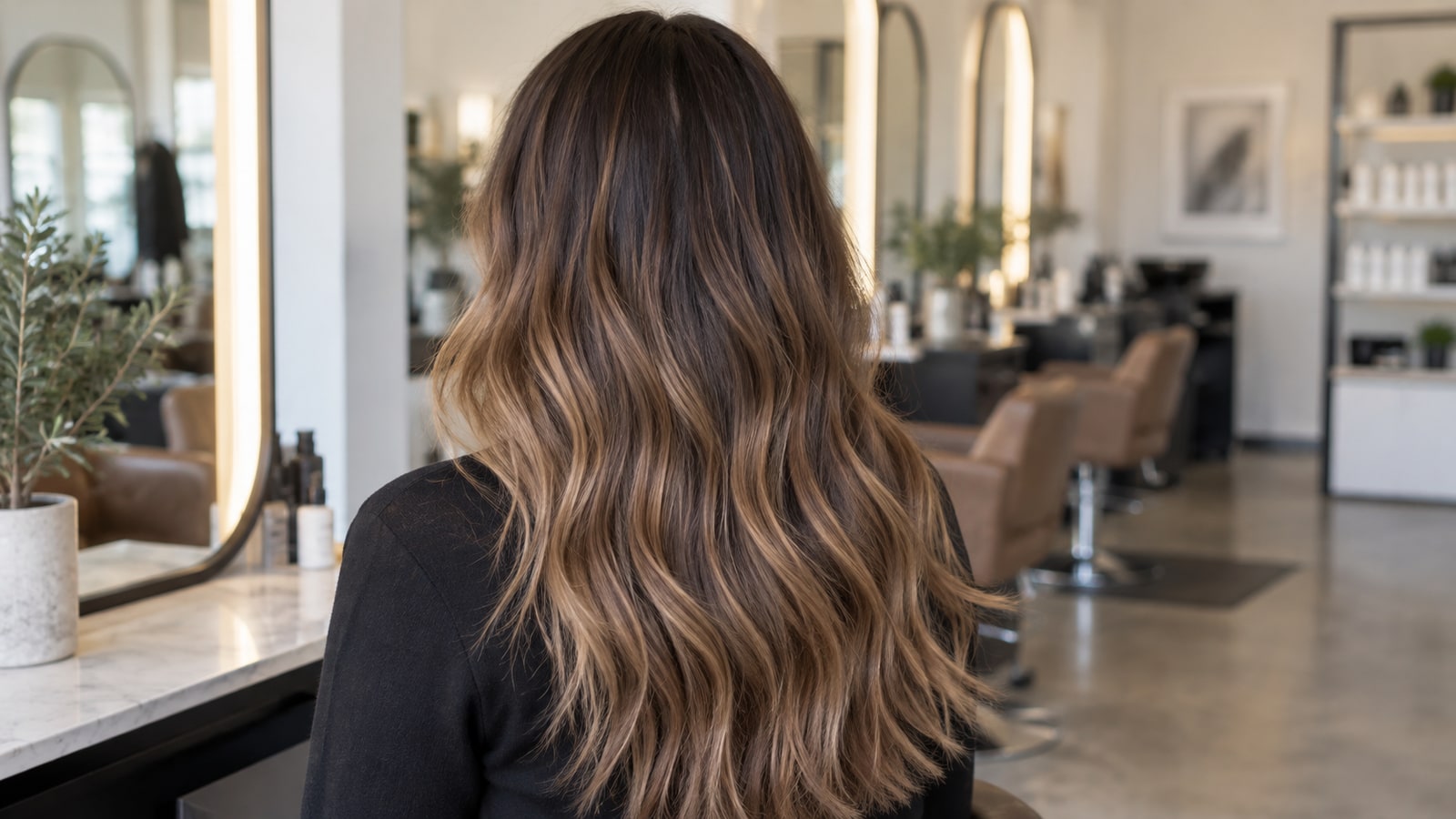
How Lift and Placement Affect Grow-Out
A line of demarcation is the visible boundary where new roots meet colored hair. It becomes easier to notice when the lengths differ sharply from the natural base in depth or tone. Placement matters too: a solid all-over light shade creates a more continuous boundary than fine, irregular highlights over a shadowed root. A photograph can show the current contrast, but it cannot reliably establish your natural level, porosity, or color history.
Professional levels describe how light or dark hair is, typically moving from 1 (black) toward 10 (lightest blonde). “Lift” is the number of levels a service lightens. Use the comparisons below to discuss placement and upkeep with a colorist. The next appointment depends on regrowth, gray coverage, hair condition, and the technique. Wella Professionals’ level chart explains the level scale and exposed warmth.
| Change from natural base | What to watch as it grows | What to ask your colorist |
|---|---|---|
| About 1 level of lift | The transition may look softer when placement and tone stay close to the root. | Would a gloss or subtle highlights meet my goal without a strong root line? |
| About 2 levels of lift | New growth may be visible, while fine highlights or a root shadow can soften the edge. | How will the placement look at the parting between visits? |
| 4 or more levels of lift | All-over light color can create a strong root line; lived-in placement may soften the transition. | What upkeep and strand testing would this change require on my hair? |
Root growth, contrast preference, gray coverage, placement, and budget all affect when you may want the next appointment. Ask your colorist to set a schedule after assessing your hair and desired result.
The Three Most Low-Maintenance Shade Directions
Lived-in brunette with a root melt
Keep the root near its natural depth and blend into slightly lighter mid-lengths. A root melt is a gradual transition, rather than a dark band painted over a bright blonde. It can make a level-4 to level-7 brunette base look dimensional while allowing new growth to join the shadowed area. If your ends are already heavily lightened, your colorist may need to add depth before the result looks even.
Bronde with micro-babylights
Bronde mixes brown and blonde. Fine babylights can introduce light without turning the whole head several levels brighter. Ask for a maximum brightness and a placement map: the same number of highlights near the parting and around the face can change the visible upkeep. For a cooler, muted example, see the Soft Summer bronde guide.
Tone-on-tone glossing
A gloss changes reflect or adds shine while keeping the overall level close to the starting hair. It can be a lower-contrast direction when you want cooler brown, warmer chestnut, or a neutral refresh without major lift. “Demi-permanent” describes one product category, not a guarantee of zero damage or a fixed fade pattern. A colorist should assess previous color and follow the product's directions.
In-Salon Techniques That Delay Your Next Appointment
Root shadowing and root tapping
A root shadow blends a deeper tone from the scalp into lighter lengths; a root tap is usually a shorter, subtler version near the root. Both reduce the visual jump at the parting when well matched to the natural base. They can also make a bright blonde look darker overall, so ask to see where the shadow will stop before the service begins. Bring a reference showing both fresh color and several weeks of grow-out.
Reverse balayage
Reverse balayage adds darker pieces back into over-lightened lengths. It can reconnect very bright ends to a natural root and create more space between pale highlights. It is useful when the whole head has become lighter than you intended, but it needs careful color matching and may fade or reveal old warmth. Discuss whether lowlights, a root shadow, or both will give the transition you want.
For a broader decision about starting depth and tone, use the hair-levels and tones guide. An in-person assessment is especially valuable when previous bleach, permanent color, or gray coverage is involved.
At-Home Habits to Stop Color Fading
Wash as needed for your scalp and hair, using water that feels comfortably warm rather than very hot when you can. A color-safe cleanser and conditioner may help maintain the feel and appearance of treated lengths; “sulfate-free” alone does not guarantee longer-lasting color. Protect exposed hair from prolonged sun and heat when practical, and follow the product instructions for any UV-protection or color-depositing product.
Notice what is actually changing. A gloss can fade, blonde can reveal yellow or orange, and old color can show a different band as it grows. Those are different problems with different solutions. A violet product targets some yellow tones; blue is commonly used against orange. Wella Professionals’ color-care guide explains the distinction. Avoid repeated pigmented shampoo when the hair needs a salon correction instead.
Frequently asked questions
What hair color requires the least touch-up?
Often a tone-on-tone gloss or subtly highlighted direction close to your natural depth, because new growth creates less contrast. A demi-permanent gloss within about one level can be a useful starting option, but the easiest plan depends on gray coverage, fading, and your desired look.
How can I grow out bleach blonde hair naturally?
Ask a colorist to compare a root shadow matched near your natural depth with lowlights through very bright lengths. This can break up the boundary while your natural hair grows, though past color and porosity affect the result. A strand test helps determine whether the proposed lowlight and toner will behave as expected.